The Technology Behind Reliable IPTV Encoder Streaming
Behind every smooth live TV channel, every buffer-free sports stream, and every crystal-clear IPTV broadcast lies one critical piece of infrastructure: professional video encoding.
For IPTV providers, resellers, and streaming platforms, stream quality is not optional—it directly affects user retention, trust, and revenue. Even the best IPTV servers and apps can fail if the video feed is poorly encoded.
In this guide, you’ll learn how IPTV encoding works, what solutions are available in 2025, and how to choose the right setup to deliver a premium viewing experience—especially when paired with a high-performance service like Best IPTV VIP.
What Is an IPTV Encoder?
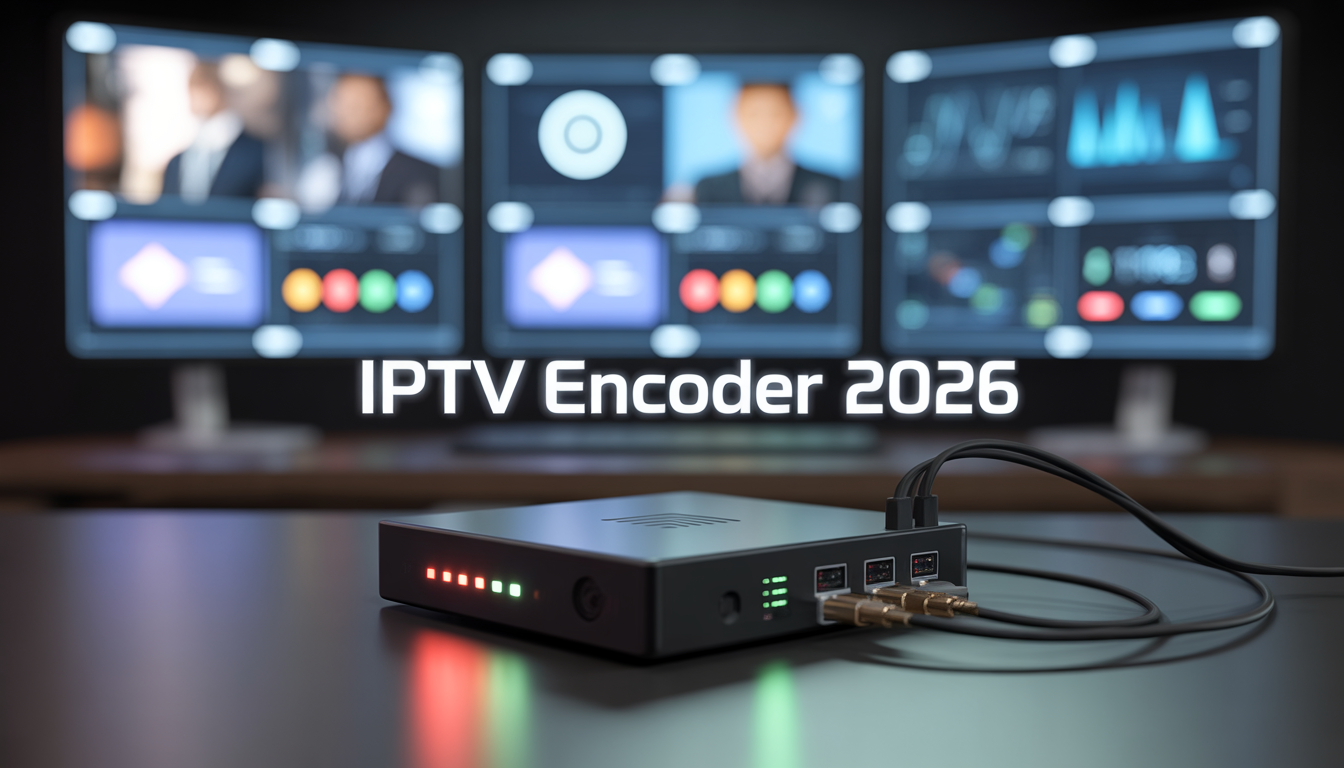
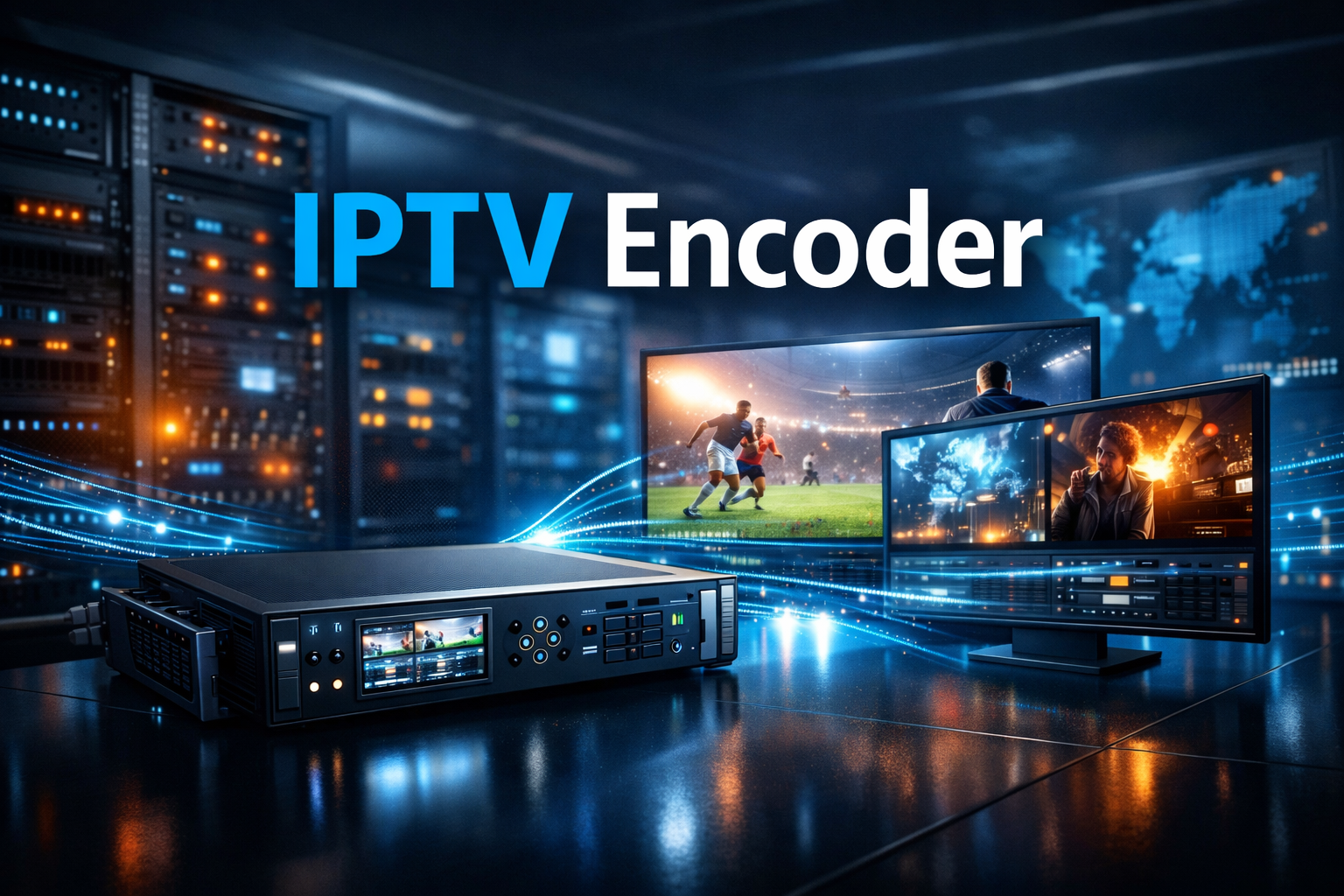
An IPTV encoder is a system—hardware or software—that converts raw video input into a compressed digital stream suitable for delivery over IP networks.
In practice, it transforms signals from sources such as satellite receivers, cameras, or media players into formats that IPTV platforms can distribute efficiently to users worldwide.
Core Purpose
-
Convert video into IP-friendly formats
-
Reduce bandwidth without sacrificing quality
-
Enable live and on-demand IPTV streaming
How IPTV Encoding Works
The encoding process follows a structured pipeline:
-
Video Input
HDMI, SDI, AV, or satellite feed -
Compression
Video is compressed using modern codecs to reduce size -
Stream Packaging
Output prepared for delivery via IPTV protocols -
IP Distribution
Stream sent to IPTV servers and delivered to end users
This process ensures content plays smoothly across smart TVs, mobile apps, and IPTV boxes.
Hardware vs Software Encoding Solutions
Hardware-Based Encoding Systems
Best suited for: Professional IPTV services, broadcasters, and large-scale platforms
Advantages
-
24/7 stability
-
Low latency performance
-
Dedicated processing power
-
Consistent output quality
Limitations
-
Higher initial investment
-
Less flexible than software solutions
Software-Based Encoding Platforms
Best suited for: Small IPTV projects, testing environments, and startups
Advantages
-
Lower cost
-
Easy configuration
-
Flexible deployment
Limitations
-
Relies on system resources
-
Less reliable under heavy load
Comparison Table: Hardware vs Software
| Feature | Hardware Encoding | Software Encoding |
|---|---|---|
| Stability | Excellent | Moderate |
| Latency | Very Low | Medium |
| Scalability | High | Limited |
| Cost | Higher upfront | Lower |
| Professional Use | Ideal | Entry-level |
Video Codecs Used in IPTV Streaming
H.264 (AVC)
-
Widely supported
-
Balanced quality and bandwidth
-
Ideal for HD live TV
H.265 (HEVC)
-
Up to 50% better compression
-
Excellent for 4K streaming
-
Lower bandwidth consumption
MPEG-2
-
Legacy format
-
High bandwidth usage
-
Mostly phased out
Why IPTV Encoding Quality Matters
Encoding quality directly impacts:
-
Channel stability
-
Picture clarity
-
Startup time
-
Viewer satisfaction
Premium IPTV providers such as Best IPTV VIP rely on broadcast-grade encoding infrastructure to ensure smooth playback, even during peak viewing times.
A properly optimized encoding setup:
-
Reduces buffering
-
Improves stream consistency
-
Increases subscription retention
People Also Ask (Optimized Answers)
What is the best IPTV encoder for live streaming?
The best solution depends on scale. Professional IPTV services typically rely on hardware-based encoding systems with H.265 support, while smaller operations may use optimized software platforms.
Do IPTV services need an encoder?
Yes. Without encoding, raw video cannot be transmitted efficiently over IP networks or played on IPTV applications.
Is hardware encoding better than software?
For commercial IPTV platforms, hardware solutions provide superior stability, lower latency, and higher reliability.
What bitrate is recommended for IPTV streams?
-
SD: 1–2 Mbps
-
HD: 4–6 Mbps
-
Full HD: 6–8 Mbps
-
4K: 15–25 Mbps
Advantages and Drawbacks
Benefits
-
Professional-grade video quality
-
Efficient bandwidth usage
-
Global stream delivery
-
24/7 live broadcasting capability
Considerations
-
Hardware requires upfront investment
-
Technical setup is necessary
-
Poor configuration can affect latency
Common IPTV Encoding Use Cases
-
Live television channels
-
Sports broadcasting
-
News networks
-
IPTV headend systems
-
Hospitality IPTV solutions
Combining Encoding Infrastructure with a Premium IPTV Service
Even the most advanced encoding system needs a reliable IPTV platform to deliver results.
Best IPTV VIP provides:
-
High-performance IPTV servers
-
Global CDN coverage
-
Buffer-free playback
-
Multi-device compatibility
-
Premium live TV and VOD
This combination ensures viewers receive consistent, high-quality IPTV streaming worldwide.
How to Choose the Right IPTV Encoding Solution
Before investing, verify:
-
Codec support (H.264 / H.265)
-
Low-latency output
-
Multiple input options
-
Continuous operation capability
-
Compatibility with IPTV servers
-
Scalability for growth
SEO-Focused FAQs
Can IPTV streams be delivered globally?
Yes, when paired with global servers and CDNs.
Is IPTV encoding legal?
The technology itself is legal. Content rights depend on licensing.
Does IPTV support 4K streaming?
Yes, modern encoding solutions fully support 4K UHD.
Can one system manage multiple channels?
Professional setups can handle multiple simultaneous streams.
Final Thoughts: Is an IPTV Encoder Worth It?
For any serious IPTV operation, high-quality encoding is essential.
It influences:
-
Viewer experience
-
Platform credibility
-
Long-term revenue
When combined with a trusted IPTV provider, the result is a premium, scalable IPTV service that meets modern user expectations.
Call to Action
🚀 Experience premium IPTV streaming powered by professional infrastructure
👉 Visit https://best-iptv-vip.us/
✔ Stable live TV
✔ Global channels
✔ Sports, movies & VOD
✔ Fast activation
✔ 24/7 support
Upgrade your IPTV experience today.